When families begin exploring senior care options, one of the most common questions is, "What's the difference between assisted living and a nursing home?" While the terms are sometimes used interchangeably, they serve very different purposes and are designed for people with different levels of need.
Understanding these differences can help you make a more informed decision for yourself or a loved one. The right choice depends on factors such as health, independence, daily support needs, and long-term goals, not simply age.
In this guide, we'll explore:
- What assisted living offers.
- What a nursing home offers.
- How the two compare at a glance.
- Five key differences between assisted living and nursing homes.
- When each option may be the right choice.
- Common misconceptions about assisted living.
- Frequently asked questions.
Quick Answer: Assisted Living vs. Nursing Home
The biggest difference between assisted living and a nursing home is the level of care provided.
Assisted living is designed for older adults who are largely independent but benefit from help with daily activities such as medication management, dressing, bathing, or meal preparation. The focus is on maintaining independence while providing personalized support.
Nursing homes, also called skilled nursing facilities, provide around-the-clock medical care for individuals with significant health conditions, complex medical needs, or those recovering from surgery or illness.
Choosing between the two depends on a person's current health, daily support needs, and long-term care goals.
What Is Assisted Living?
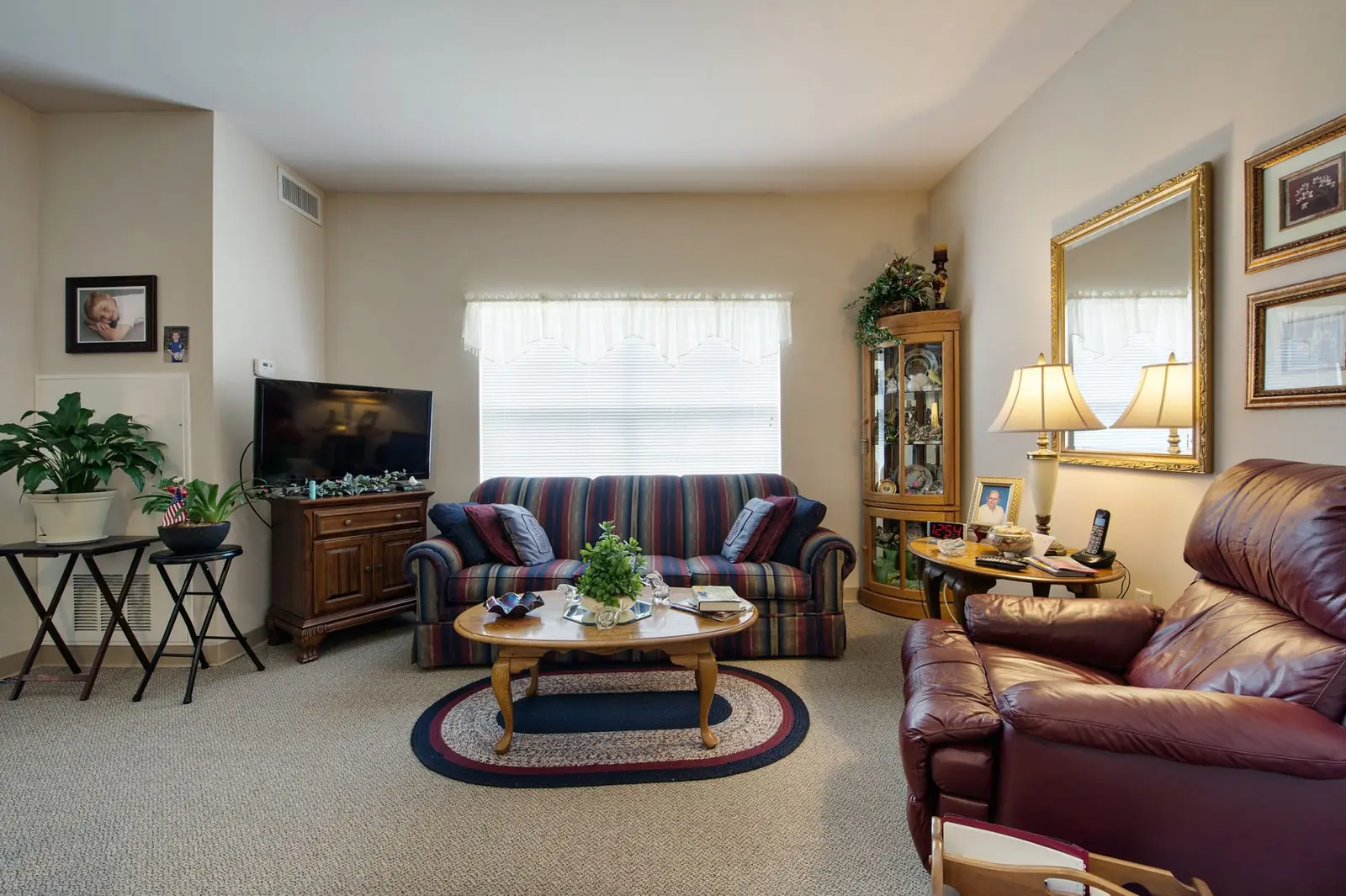
Assisted living is a residential option that combines housing, personalized support, and opportunities for an active lifestyle. At Assisted Living at Azalea Estates, residents typically have private apartments or suites while receiving assistance with tasks such as:
- Medication management.
- Personal care.
- Bathing and dressing.
- Housekeeping and laundry.
- Transportation.
- Chef-prepared meals.
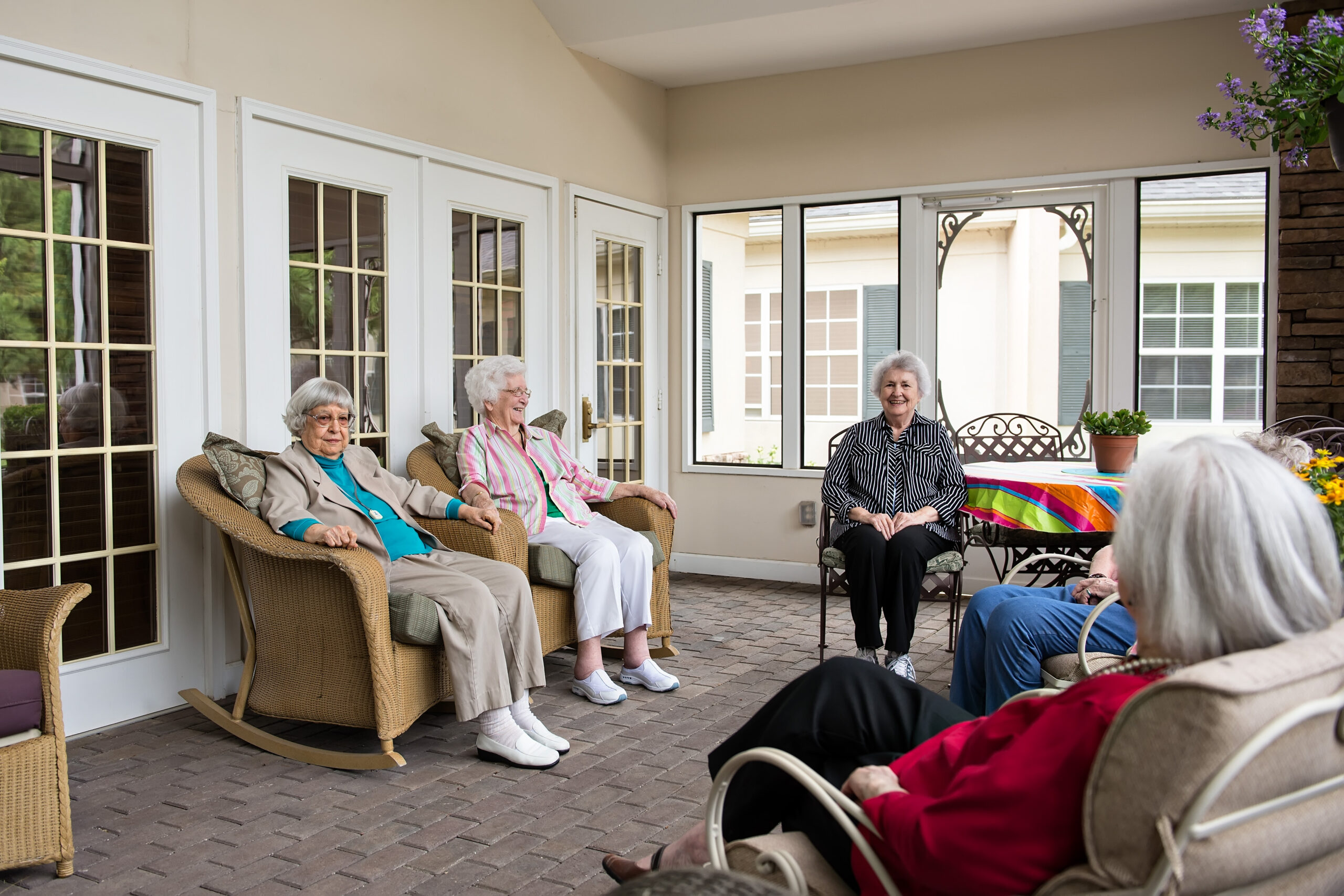
In addition to personal support, assisted living communities often provide fitness classes, educational programs, social events, and wellness activities that encourage residents to stay active and connected. Explore wellness at Azalea Estates.
The goal isn't to take over daily life. It's to provide the right amount of assistance so residents can continue living as independently as possible.
What Is a Nursing Home?
A nursing home, also known as a skilled nursing facility, provides ongoing medical care for individuals who require regular clinical supervision. Residents may need:
- 24-hour nursing care.
- Rehabilitation following surgery or hospitalization.
- Complex wound care.
- Intravenous medications.
- Complex medical monitoring.
- Physical, occupational, or speech therapy.
Because nursing homes focus on medical treatment, the daily routine is often centered around healthcare needs, therapies, and clinical services.
For many individuals, a nursing home is a temporary stop during recovery, often referred to as rehab. Others may require long-term skilled nursing care because of chronic or advanced medical conditions.
Assisted Living vs. Nursing Home at a Glance
Assisted Living Typically Includes:
- Private apartment or suite.
- Help with daily activities like dressing, bathing, and medication management.
- Chef-prepared dining and housekeeping.
- Fitness classes, social events, and wellness programs.
- A home-like, residential setting.
- A focus on independence with support where it's needed.
A Nursing Home Typically Includes:
- 24-hour skilled nursing care.
- Rehabilitation and therapy services.
- Complex medical monitoring and treatment.
- A clinical, hospital-like setting.
- Daily schedules centered around medical care.
- Care for advanced or chronic health conditions.
Five Key Differences Between Assisted Living and Nursing Homes
1. Level of Medical Care
The most significant difference is medical care. Assisted living communities provide personal support but are not intended to replace hospital-level or skilled nursing care. Nursing homes, on the other hand, are staffed to care for individuals with ongoing medical conditions that require continuous monitoring and treatment.
2. Independence and Daily Living
Assisted living encourages residents to maintain their independence while receiving help only where it's needed. Nursing homes focus primarily on medical care, so daily schedules are often more structured around treatments, medications, and rehabilitation.
3. Lifestyle and Social Opportunities
Many people choose assisted living because it offers opportunities to remain socially active while eliminating many of the responsibilities of homeownership. Residents often enjoy community events, fitness and wellness programs, shared dining experiences, educational classes, hobby groups, and scheduled outings. While nursing homes may also offer recreational activities, their primary focus remains medical care and recovery.
4. Living Environment
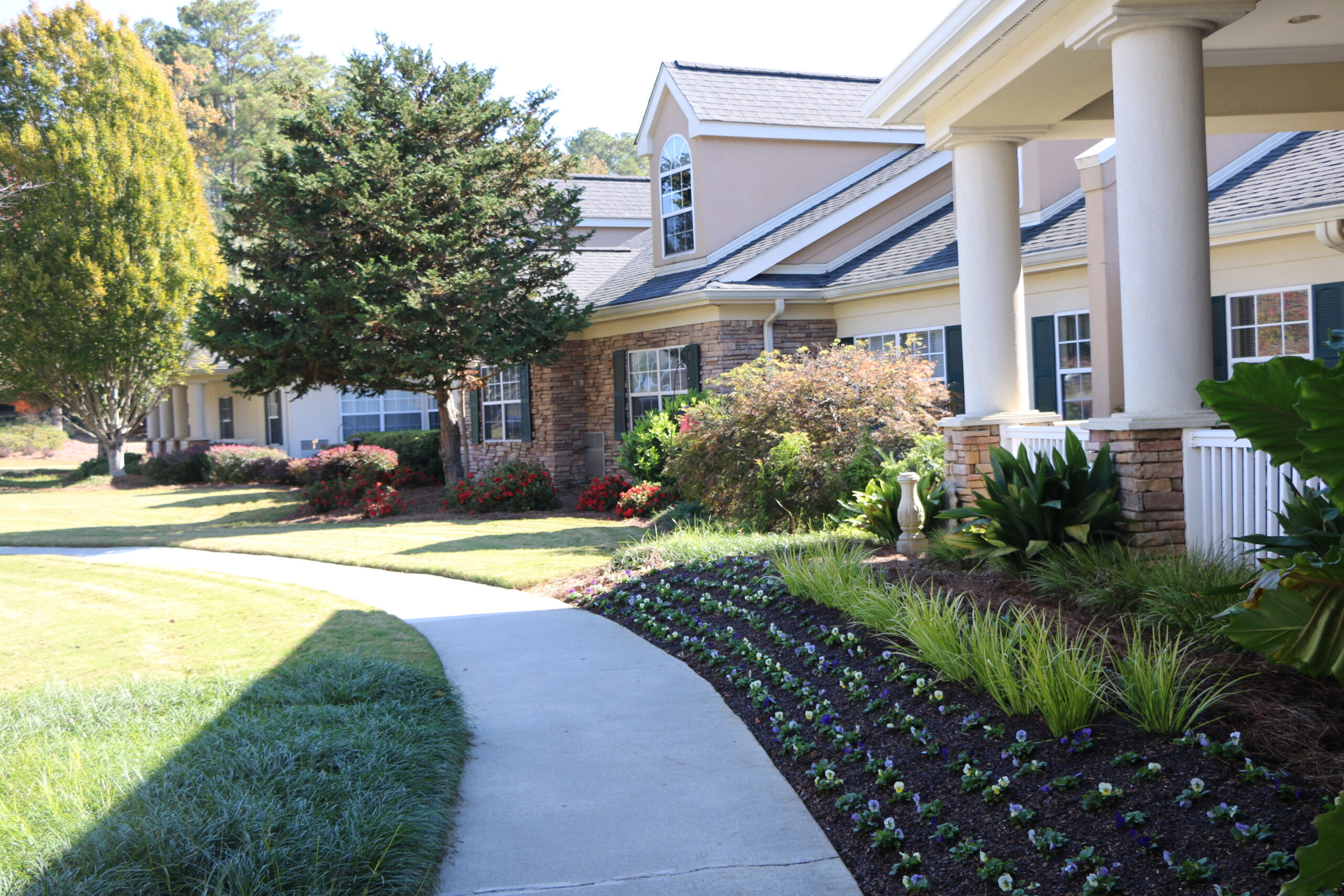
Assisted living communities are designed to feel like home, with private residences, comfortable common spaces, and opportunities to socialize. Nursing homes typically have a more clinical setting designed to support medical treatment, rehabilitation, and ongoing healthcare services.
5. Planning for the Future
Many older adults move to assisted living before they require extensive care because it allows them to maintain their independence while having support readily available if needs change. Planning ahead often makes the transition easier than waiting until a health crisis forces a decision. If you're weighing whether now is the right time, our guide on how to know when it's time for assisted living can help.
When Is Assisted Living the Right Choice?
Assisted living may be the right option when an older adult:
- Needs help with some daily activities.
- Wants to maintain independence.
- Feels isolated or disconnected living alone (learn the signs of senior isolation and how to help).
- Would benefit from regular meals and wellness programs.
- Is looking for a maintenance-free lifestyle.
- Wants additional peace of mind for themselves and their family.
Azalea Estates also offers Retirement Living and short-term Respite Care, giving families additional options depending on their current needs and circumstances.
When Is a Nursing Home the Right Choice?
A nursing home may be the most appropriate option for individuals who:
- Require 24-hour skilled nursing care.
- Need rehabilitation after surgery or hospitalization.
- Have complex medical conditions requiring ongoing monitoring.
- Need specialized medical equipment or treatments.
- Cannot safely be cared for in a less clinical environment.
A physician or healthcare provider can help determine when skilled nursing care is the most appropriate level of support.
Common Misconceptions About Assisted Living
"Assisted living is the same as a nursing home."
This is one of the most common misconceptions. While both provide support, assisted living focuses on helping older adults maintain independence, while nursing homes provide medical care for individuals with more advanced healthcare needs.
"You have to wait until there's a crisis."
Many families believe they should wait until an emergency occurs before exploring assisted living. In reality, planning ahead often gives older adults more time to adjust, build relationships, and enjoy the benefits of community living.
"Moving to assisted living means giving up independence."
The goal of assisted living is to support independence, not replace it. Residents continue making their own choices while receiving assistance only where it's needed.
Frequently Asked Questions
Is assisted living considered a nursing home?
No. Assisted living and nursing homes provide different levels of care. Assisted living focuses on daily support and independence, while nursing homes provide skilled medical care.
Can someone move from assisted living to a nursing home if needed?
Yes. If a person's medical needs become more complex over time, they may transition to a skilled nursing facility based on recommendations from their healthcare providers. That said, through third-party providers such as hospice or home health care, many residents are able to remain in assisted living as their care needs change.
Does Medicare pay for assisted living?
In most cases, Medicare does not cover the cost of assisted living. However, it may cover certain medical services received while living in an assisted living community. Coverage for skilled nursing care is different and depends on individual circumstances and Medicare eligibility.
Can couples live together in assisted living?
Many assisted living communities, including Azalea Estates, offer accommodations for couples, although available floor plans and care plans vary.
Is respite care different from a nursing home?
Yes. Respite care provides temporary support for older adults or family caregivers and may include short-term stays in an assisted living community. It is designed to offer assistance during recovery, caregiver absences, or while families explore long-term care options.
Choosing the Right Level of Care
Choosing between assisted living and a nursing home isn't about deciding which option is better. It's about finding the level of support that best meets an older adult's current needs while considering what the future may bring.
As you begin exploring your options, take time to speak with healthcare providers, visit communities, ask questions, and involve your loved one in the decision whenever possible. Never assume your loved one wouldn't qualify for assisted living or skilled care before speaking with the experts. Understanding the differences between care options can help you make a confident, informed choice that supports both safety and quality of life.
If you're exploring assisted living or respite care in the Fayetteville area, visiting local communities and speaking with experienced professionals can help you better understand your options and determine the best fit for your family's needs. Next, read "The Truth About Retirement Living: 10 Common Myths Debunked" to continue learning about senior living.
Contact Azalea Estates today to schedule a tour and discover how our community can support your assisted living needs.