
Many older adults value living independently, and for good reason. Home represents familiarity, comfort, and a lifetime of memories. But as life changes through retirement, the loss of a spouse, health challenges, or reduced mobility, it can become more difficult to maintain the same level of social connection.
Senior isolation often develops gradually. It isn't always obvious to family members, and older adults may not recognize the impact it is having on their own well-being. Over time, however, fewer social interactions and less daily engagement can greatly affect both physical and emotional health.
Recognizing the signs early allows families to provide support before isolation begins affecting quality of life. Whether that means encouraging more social opportunities, creating new routines, or exploring supportive living options, small steps can make a meaningful difference.
In this article, we'll explore:
- Why social connection matters as we age.
- Signs of senior isolation to watch for.
- Why isolation often goes unnoticed.
- How families can help reduce isolation.
- How community living encourages connection.
- When it may be time to consider a change.
- Frequently asked questions.
Why Social Connection Matters as We Age
Strong social connections are an important part of healthy aging. Spending time with friends, neighbors, family members, and participating in meaningful activities does more than provide companionship. It can have a lasting impact on both physical and emotional well-being.
According to the National Institute on Aging and the Centers for Disease Control and Prevention (CDC), staying socially connected can help support overall health, while prolonged social isolation has been linked to an increased risk of depression, cognitive decline, heart disease, and other serious health concerns.
Maintaining meaningful social relationships may contribute to:
- Improved emotional well-being by reducing feelings of loneliness and supporting a more positive outlook.
- Increased physical activity through participation in group programs, fitness classes, and everyday social interactions.
- Better cognitive health, as regular social engagement helps keep the mind active and stimulated.
- Greater confidence and independence by encouraging older adults to stay involved in their communities and daily routines.
- A stronger sense of purpose and belonging, which can lead to greater life satisfaction and an improved quality of life.
While everyone has different social needs, meaningful connection plays an important role in supporting overall wellness throughout retirement.
Signs of Senior Isolation to Watch For
Isolation doesn't always look the way people expect. Instead of dramatic changes, families often notice subtle shifts in behavior that become more noticeable over time.
Emotional Signs
An older adult experiencing isolation may:
- Seem withdrawn or quieter than usual.
- Express feelings of loneliness or boredom.
- Lose interest in favorite hobbies.
- Become less motivated to leave home.
- Show changes in mood or enthusiasm.
These changes may be gradual and are sometimes mistaken for a normal part of aging.
Physical Signs
Isolation can also affect physical well-being. Watch for changes such as:
- Decreased mobility.
- Missed medications.
- Poor nutrition or skipped meals.
- Weight loss or weight gain.
- Increased fatigue.
- More frequent health concerns.
Without regular interaction, these changes may go unnoticed for longer periods of time.
Behavioral Signs
Daily routines often provide important clues. You may notice a loved one:
- Declining invitations.
- Canceling appointments.
- Spending most days at home.
- Calling family less frequently.
- Avoiding activities they once enjoyed.
Sometimes these behaviors stem from transportation challenges or health concerns rather than a lack of interest.
Changes Around the Home
The condition of someone's home can also reflect changes in daily life. Possible signs include:
- Unopened mail.
- Expired food in the refrigerator.
- Household chores falling behind.
- Laundry piling up.
- Less attention to housekeeping.
These changes don't necessarily indicate an immediate problem, but together they may suggest additional support could be beneficial.
Why Isolation Often Goes Unnoticed
One of the biggest challenges is that isolation can be difficult to recognize. Many older adults value their independence, don't want to worry their families, maintain familiar routines during short visits, and downplay feelings of loneliness. As a result, a weekly phone call or occasional visit may not reflect what daily life is actually like.
Rather than focusing on a single conversation or visit, families should pay attention to long-term patterns. Has your loved one's world become smaller over the past year? Are they spending less time with others? Have activities they once enjoyed quietly disappeared from their routine? Looking at the bigger picture often provides the clearest insight.
How Families Can Help Reduce Isolation
The good news is that even small changes can help older adults feel more connected.
Start With Curiosity
Begin the conversation with empathy rather than concern. Instead of asking, "Are you lonely?" consider questions like:
- What does a typical day look like for you?
- What activities have you enjoyed lately?
- Is there anything you wish you had more opportunities to do?
Open-ended questions often lead to more meaningful conversations.
Encourage Regular Social Opportunities
Connection doesn't have to come from large gatherings. Simple ideas include weekly family dinners, coffee with friends, volunteer opportunities, faith communities, local senior centers, and book clubs or hobby groups. The goal is to create consistent opportunities for interaction.
Build Predictable Routines
Regular routines help create a greater sense of purpose. Scheduling recurring phone calls, family visits, exercise classes, or community activities gives older adults something to anticipate and helps maintain social engagement throughout the week.
Use Technology to Stay Connected
Video calls, text messages, shared family photo albums, and online interest groups can help older adults stay connected between visits. While technology isn't a replacement for in-person interaction, it can help strengthen relationships when family members live farther away.
Explore Additional Support
If isolation continues despite increased family involvement, it may be worth exploring additional resources. Companion services, transportation programs, adult day programs, or supportive living environments can all provide opportunities for greater social interaction while helping older adults maintain their independence.
How Community Living Encourages Connection
For many older adults, one of the biggest benefits of community living isn't simply having services available. It's being surrounded by opportunities to connect with others every day.
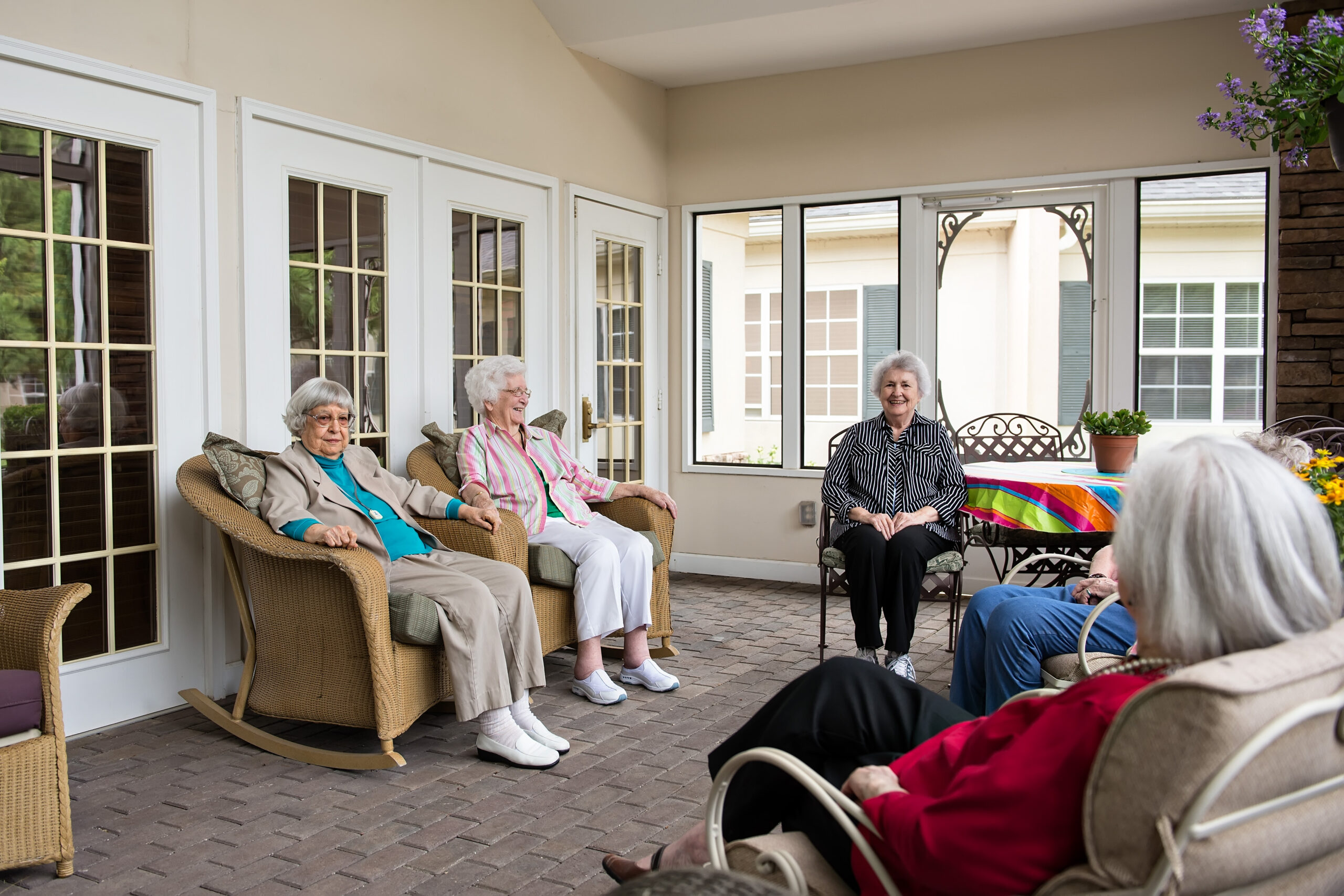
Shared meals, fitness classes, educational programs, hobby groups, social events, and community outings naturally encourage interaction without requiring extensive planning. Instead of scheduling every opportunity to socialize, connection becomes part of everyday life. View our calendar of activities and events to see what a typical week at Azalea Estates looks like.
Many residents find that these daily interactions help establish routines, build friendships, and create a greater sense of belonging while continuing to support an independent lifestyle.
When It May Be Time to Consider a Change
Sometimes, the concern isn't whether someone can continue living independently. It's whether their current environment is helping them thrive.
If isolation is becoming more common, daily routines are becoming more difficult to maintain, or quality of life seems to be declining, it may be time to explore options that provide additional opportunities for connection and support. Our guide on how to know when it's time for assisted living can help you evaluate whether it's the right next step.
Planning ahead allows families to make thoughtful decisions rather than waiting for a crisis. Exploring options early also gives older adults the opportunity to be actively involved in choosing the environment that best fits their lifestyle and goals. If you're comparing levels of care, Assisted Living vs. Nursing Home: Key Differences can help clarify which option may be the best fit.
Frequently Asked Questions About Senior Isolation
Is senior isolation the same as loneliness?
Not necessarily. Loneliness is the emotional feeling of being alone, while isolation refers to having limited social contact or interaction. Someone can experience one without the other, although they often occur together.
Can social isolation affect physical health?
Yes. Long-term isolation has been associated with reduced physical activity, changes in eating habits, increased fall risk, and other health concerns. Staying socially connected is an important part of overall wellness.
How often should families visit an older loved one?
There is no single answer. The goal is consistent, meaningful interaction that supports emotional well-being and helps families stay aware of changes in daily routines.
Can community living help reduce isolation?
Many older adults find that community living makes it easier to build friendships, participate in activities, and stay engaged through shared dining, wellness programs, and social events.
What if my parent refuses help?
Start with conversation rather than persuasion. Listen to their concerns, involve them in decision-making, and focus on ways to support their independence rather than take it away. Small changes often feel less overwhelming than major transitions.
Supporting a More Connected Future
Social connection is an important part of healthy aging. While isolation can develop gradually, recognizing the signs early gives families the opportunity to provide meaningful support before it begins affecting overall well-being.
Whether that means encouraging more social opportunities, creating new routines, or exploring supportive living options, every step toward greater connection can make a positive difference.
If you're exploring senior living options in the Fayetteville area, visiting local communities can help you better understand how community living supports connection, wellness, and independence while allowing older adults to continue living life on their own terms.
Contact Azalea Estates today to schedule a tour and discover how our community can support your senior living needs.